"Root canals are painful"
Modern root canal therapy is no more uncomfortable than getting a filling. Local anesthesia ensures you feel little to nothing during the procedure.

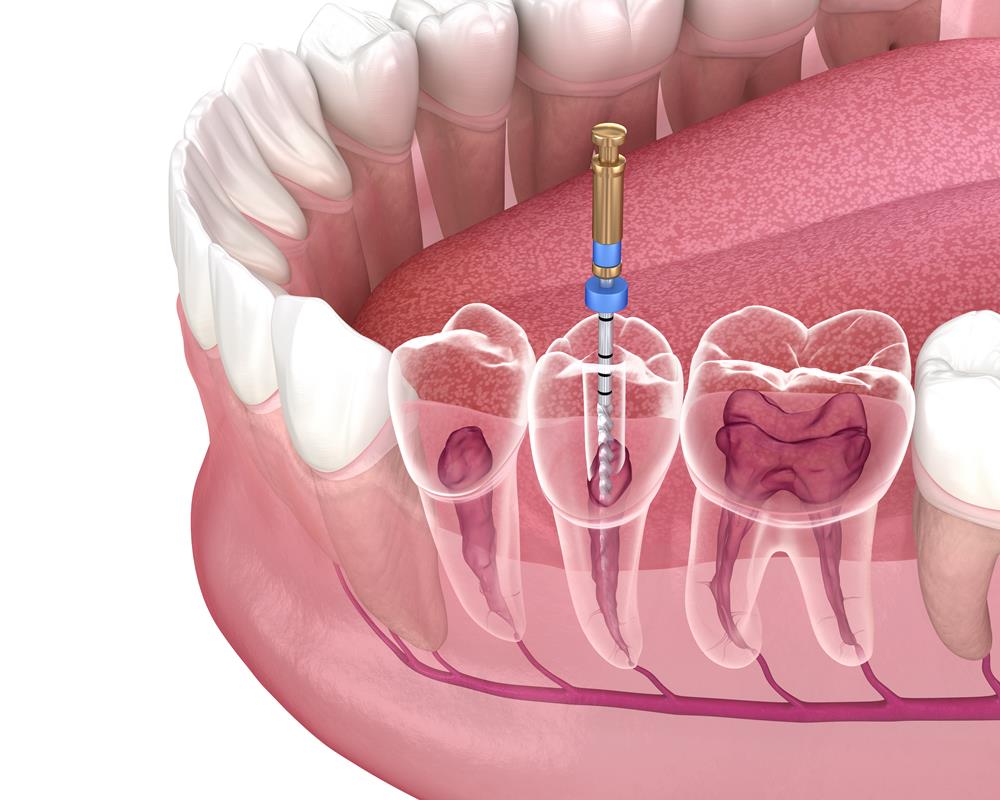
Save your natural tooth
Root canals have an undeserved reputation. With modern techniques and anesthesia, the procedure is comfortable — and it relieves the pain of infection while saving your natural tooth.
Do you need one?
These symptoms often indicate an infected or inflamed tooth pulp. Don't wait — early treatment is simpler and more comfortable.
The truth
"Root canals are painful"
Modern root canal therapy is no more uncomfortable than getting a filling. Local anesthesia ensures you feel little to nothing during the procedure.
"It's better to just pull the tooth"
Saving your natural tooth is almost always the better option. Implants and bridges are excellent, but nothing replaces the function of your own tooth.
"Root canals take multiple long visits"
Most root canals are completed in one or two appointments, each lasting about 60–90 minutes.
What to expect
01
We take X-rays to assess the infection and administer local anesthesia so you are completely comfortable throughout.
02
A small opening is made in the crown of the tooth. The infected or inflamed pulp is carefully removed from the canals.
03
The canals are cleaned, shaped, and disinfected to remove all bacteria and prevent reinfection.
04
The canals are filled and sealed. A crown is typically placed to protect the tooth and restore full function.
A root canal is a procedure that removes infected or inflamed tissue (pulp) from inside a tooth. The canals are cleaned, shaped, and sealed, and a crown is typically placed to protect the tooth. The result: the tooth is saved, the infection is eliminated, and the pain is gone.
Root canals are needed when the pulp inside a tooth becomes infected or inflamed — usually from deep decay, a crack, or repeated dental procedures on the same tooth. Without treatment, the infection spreads and the tooth must be extracted.
Severe or throbbing toothache, prolonged sensitivity to hot or cold, a darkened tooth, swelling or tenderness in the gums, or a persistent pimple on the gums are all signs you may need a root canal. Some infected teeth have no symptoms at all — which is why regular X-rays matter.
We numb the tooth completely with local anesthesia. A small opening is made in the crown of the tooth, the infected pulp is removed, the canals are cleaned and shaped, and the tooth is sealed. A crown is placed at a follow-up appointment to protect the tooth.
No. Modern root canal therapy is no more uncomfortable than getting a filling. The anesthesia ensures you feel nothing during the procedure. Most patients are relieved — the root canal ends the pain they were already experiencing from the infection.
Most root canals are completed in one or two appointments of 60–90 minutes each. The crown placement is a separate appointment, typically 1–2 weeks later.
Some mild soreness for a day or two is normal. Over-the-counter pain relievers manage this well. You should avoid chewing on the treated tooth until the crown is placed. Once the crown is in, the tooth functions normally.
An infected tooth will not heal on its own. The infection spreads to the surrounding bone and can become a life-threatening abscess. The tooth will eventually need to be extracted — and tooth replacement is more complex and expensive than a root canal.
Yes. Many routine root canal treatments are performed at Essential Dental Care. If your tooth requires advanced endodontic treatment, we may recommend treatment with an endodontic specialist and will coordinate your care every step of the way.
We see urgent cases quickly. Call us today or request an appointment online — relief is closer than you think.